

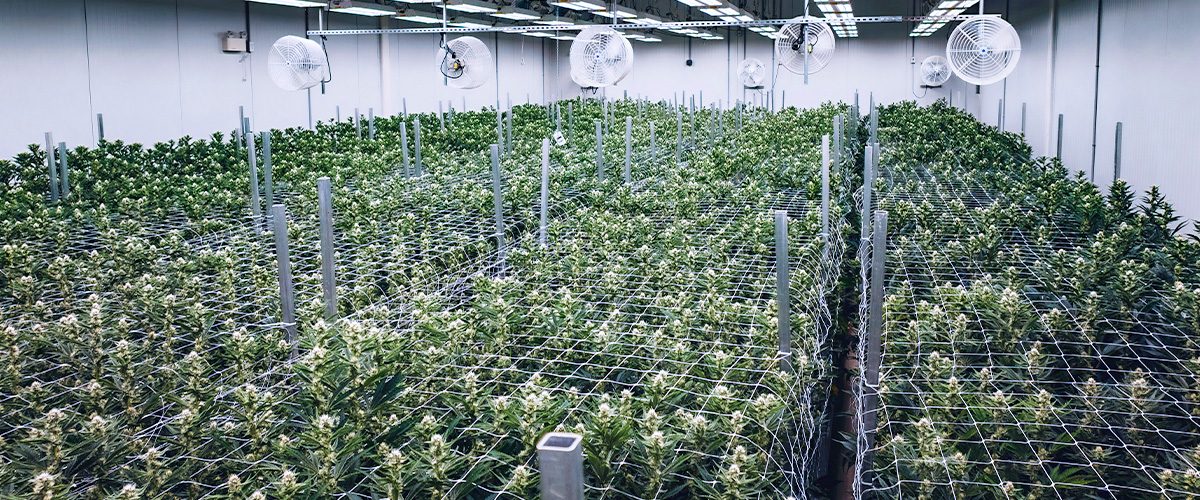
Executive Summary: Cannabis remediation is the process of “cleaning” failed or contaminated product so it passes lab tests and can be sold legally. While this practice helps companies avoid financial losses, it often comes at the expense of product quality and consumer transparency. This guide exposes the hidden realities behind cannabis remediation, explains how to spot remediated products, and empowers you to make safer choices in an evolving market.
Part 1: Why Remediation Exists
What Is Cannabis Remediation?
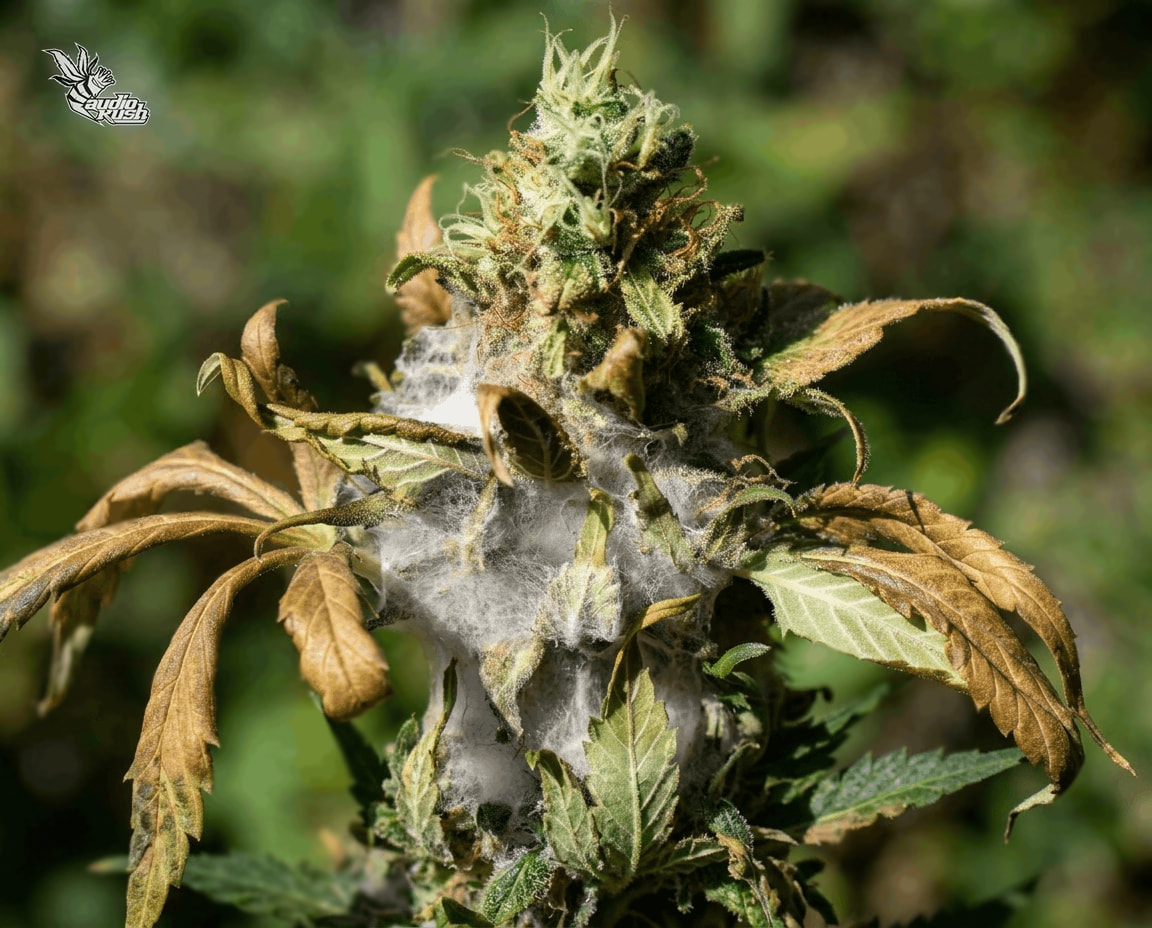
Cannabis remediation is the industrial process of “cleaning” harvested flower or extracts that have failed, or are predicted to fail, mandatory laboratory safety tests for microbes, yeast, mold (such as Aspergillus), or bacteria.1 Rather than destroying a dirty crop, which is what you may expect, many commercial operators use technological interventions to sanitize the cannabis so it can legally hit store shelves.
This guide serves as a warning about the hidden realities of cannabis remediation and a blueprint for how you can steer clear of it.
Where Does Remediation Come From?
Remediation borrows its roots from the conventional food and agricultural industries, where techniques like food irradiation and microwave sterilization are used to clean and extend the shelf life of mass-produced commodities.2 In the legal cannabis market, it functions as a post-harvest safety net deployed when a cultivation facility’s environmental controls fail.
Why Is Remediation Used?
The legal cannabis industry is locked in a fierce economic race to the bottom. Operations face immense financial pressure; losing a 20-pound harvest of moldy flower to the dumpster can mean tens of thousands of dollars in losses and shattered investor expectations. Remediation acts as an insurance policy, turning a complete financial write-off into a marketable (albeit compromised) product.
Major Cannabis Remediation Technologies
- Gas Oxidation: Ozone, ethylene oxide; uses oxidizing gases to destroy mold, bacteria, and yeast. Can impact terpene profiles and leave chemical residues.3
- Additional hazards: Ozone is a strong respiratory irritant that can aggravate asthma and damage airways4, even at low levels, and ethylene oxide is a known human carcinogen linked to increased risk of leukemia and other cancers. Improper application can leave harmful residues or release byproducts into the environment.5
- High-Energy Ionizing Methods: Gamma irradiation, electron beam, X-ray; uses powerful radiation to break down microbial DNA. May cause chemical changes in cannabinoids or terpenes.
- Additional hazards: Can generate radiolytic byproducts (unknown compounds formed by radiation exposure) that may not be fully studied for inhalation safety. Overexposure can further degrade product integrity.6
- Thermal Methods: Pasteurization, steam; employs heat to kill microbes. Risk of degrading cannabinoids and terpenes, and affecting flower quality.
- Additional hazards: Excessive heat can dry out flower, reduce potency, and produce a harsh, unpleasant smoke. It may also promote the formation of unwanted degradation products.7
- Cold Plasma: Ionized gases at room temperature generate reactive species that kill microbes, but can also alter delicate plant compounds and produce short-lived ozone or nitrogen oxides.8
- Additional hazards: While touted as clean, cold plasma requires strict process controls to avoid unintentional exposure to these byproducts.
- UV-C Light: Ultraviolet light used for surface-level microbial kill; limited penetration means it is ineffective for deeper contamination and can degrade cannabinoids and terpenes on the flower’s surface.9
- Additional hazards: Ineffective for microbes below the surface, potentially offering a false sense of security. Prolonged UV exposure can further damage the chemical profile of the flower.
The Hidden Hazards of Cannabis Remediation
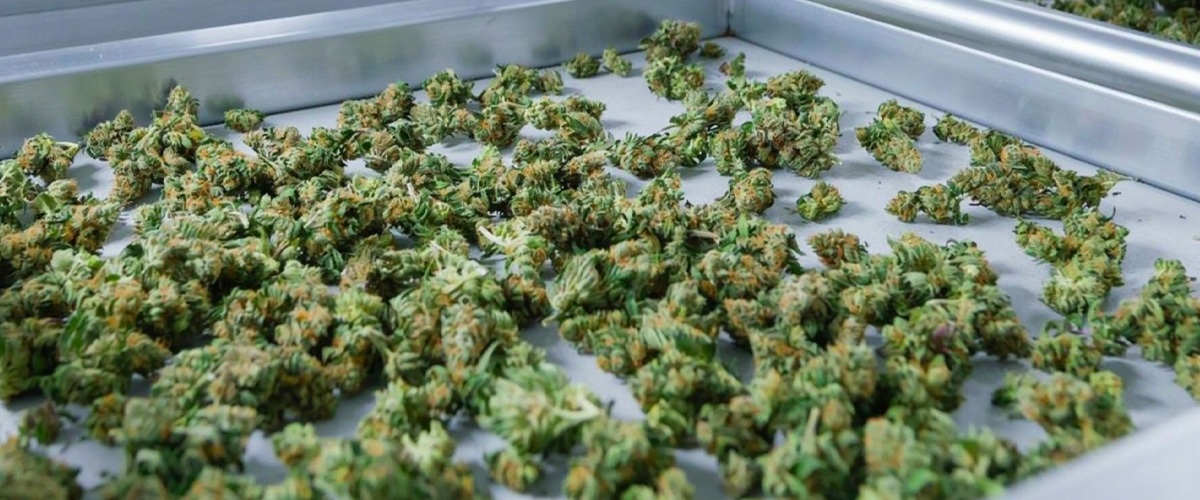
- The “Lifeless Bud” Effect: High heat, radiation, and gas strip delicate, volatile monoterpenes and sesquiterpenes. Remediated weed often smells muted, tastes harsh, and delivers an altered or flattened effect.
- Synthetic “Re-Terping”: Because irradiated flower loses its natural smell and flavor, commercial growers employ a highly deceptive practice. They purchase bulk botanical terpenes (derived from non-cannabis plants) or low-tier trim extraction derivatives and spray them directly onto the bone-dry flower right before packaging.
- Dead Microbes Remain: As noted by environmental microbiologists, cannabis remediation may neutralize a live spore’s ability to multiply, but the physical remnants, endotoxins, and dead microbial mass remain trapped directly inside the flower that you combust and inhale into your lungs.
- False Security: Certain resilient mycotoxins or dormant spores can survive inadequate protocols or reactivate later under humid shelf conditions. Yasha Kahn, co-founder of cannabis testing facility MCR Labs states, irradiation doesn’t always eliminate harmful microbes: “Certain molds can survive remediation or remain dormant, potentially resurfacing months later.”10
How Remediation Invaded the Cannabis Industry
As state regulators imposed rigid microbial limits without standardizing cleanliness, panic set in among commercial operators. Equipment manufacturers stepped in to provide automated cannabis remediation hardware, such as systems commercialized by Willow Industries or RadSource, normalizing the sanitization of dirty crops. Pre-emptive or corrective decontamination quickly shifted from a rare emergency fix into a standard operating procedure for industrial-scale facilities. Now, expo floors are packed with post-harvest fix solutions such as cannabis remediation options.
Tracking the Operational Footprint
Because most state laws do not mandate clear disclosure labels on retail packaging, identifying who remediates requires analyzing equipment acquisitions and regional regulatory habits. By looking closely at the B2B industrial paper trail, public hiring listings, and regulatory trends, the patterns become clear:
- The Corporate Paper Trail: High-volume operators managing massive industrial footprints are heavily reliant on mechanized kill-steps to navigate large-scale cultivation. For example, a public hiring listing for a Processing Supervisor at Cresco Labs’ Lincoln, Illinois facility pulls back the curtain: supervisors must “operate or train on specialized remediation equipment such as RS420 as needed.”11
- Strict Regional Testing Pressures: In markets with tight microbial caps, like Massachusetts and Maryland, compliance rules have pushed decontamination to the forefront. Public regulatory discussions, product recalls, and industry data highlight that prominent multi-state operators regularly deploy post-harvest cannabis remediation systems to salvage yields or process failed flower into secondary products.
The Regulatory Proof
This isn’t just speculation. According to official reports from the Massachusetts Cannabis Control Commission (CCC), nearly 20% of all flower batches initially fail microbial testing in the state. Regulators explicitly state in public guidance that “Licensees may remediate contaminated marijuana product batches using validated processes, except in the case of mycotoxins or heavy metal contamination.”¹² In June 2025, Massachusetts further strengthened transparency through Administrative Order No. 5, which requires licensees to disclose any pre-testing sanitization or cannabis remediation (such as irradiation or ozone) in the Metrc tracking system and on Certificates of Analysis (COAs).¹³
Public health directives and major contamination recalls, like the 2024 Maryland Cannabis Administration (MCA) recall over Aspergillus, demonstrate that, even in markets with strict testing and widespread remediation practices, contamination can still reach consumers and trigger recalls.14 These recalls highlight hazards that often originate during the cultivation process, leading to poor-quality end products for consumers. Instead of prioritizing clean, well-managed grows, many companies invest in remediation devices to “fix” or “clean” contaminated flower after the fact. The industry’s focus shouldn’t be on cleaning up at the end, it should be on preventing contamination from the start, so remediation is never necessary.
But as more consumers learn about these behind-the-scenes practices, as well as stories of hidden cannabis remediation and product recalls circulate, public demand for accountability and cleaner product has started to grow. This groundswell of concern has fueled a new movement: remediation-free cannabis.
Part 2: How to Avoid Remediated Cannabis
If you’ve read this far, you already know that remediation is everywhere, and that most consumers have no idea what’s happening behind the scenes. But you don’t have to be left in the dark. In Part 2, I’ll show you how to best spot remediated cannabis and make smarter, safer choices every time you shop
The Remedation-Free Movement
In April 2026, investigative reports uncovered a major regulatory loophole in Maine’s cannabis industry. While state policy technically required that remediated or treated cannabis must display a “Contents have been treated” label in 6-point font, Maine’s Office of Cannabis Policy (OCP) admitted they were not enforcing this rule. Even more concerning, industrial operators discovered they could run harvests through irradiation before official state testing, avoiding the mandatory disclosure of contaminated products and keeping consumers entirely in the dark.15
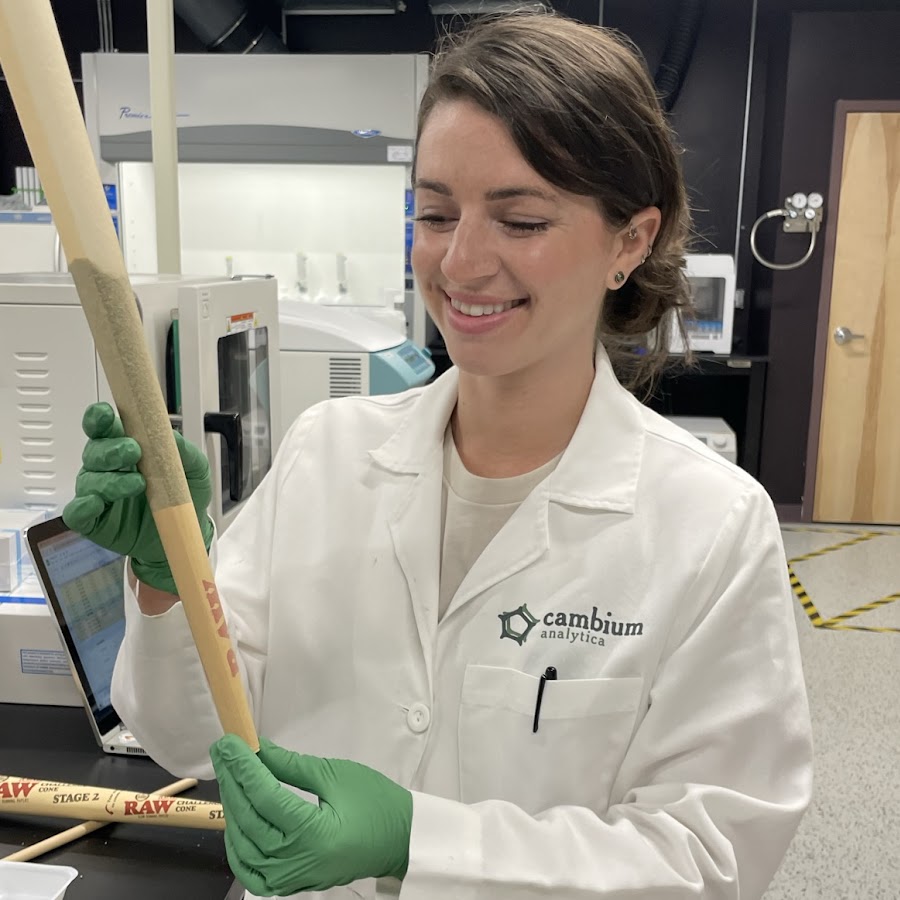
This lack of transparency and consumer protection has drawn sharp criticism from scientists and advocates. Dr. Riley Kirk, Ph.D., a leading cannabis research scientist, highlights, “a lot of flower right now is testing hot for microbials… above the legal limit. And to solve this problem, producers are treating that flower with radiation in order to kill off all the microbials on that flower.”16 Her observation underscores a troubling trend: instead of addressing underlying issues in cultivation and handling, the industry is relying more and more on post-harvest fixes that mask the real problem.
The situation is even more pronounced on the international stage. On her Bioactive podcast, Dr. Kirk noted observed, “They’re remediating almost all flower in Canada… because we are exporting a lot of it to Australia or Germany.”17 This reveals just how deeply cannabis remediation practices are embedded in the global supply chain. Industry experts are increasingly concerned about the true effectiveness of these remediation techniques. On the same episode, Kyle Boyar, a cannabis testing expert, added, “Remediation does not get rid of all of these (microbials), and if you do use a technique that does potentially get rid of these, it’s going to affect the quality of your flower overall.”
Boyar’s warning makes it clear: cannabis remediation may reduce risk on paper, but it comes at a real cost to both product safety and consumer experience. This reality has fueled a vocal backlash and the rise of the cannabis remediation-free movement. A major step forward for consumer protection was the creation of Certified Remediation Free (CRF), the first independent organization dedicated to raising awareness about remediation across the U.S. CRF set rigorous standards and certified businesses that could prove their products were never remediated, giving consumers a new level of trust and transparency when shopping for clean cannabis.
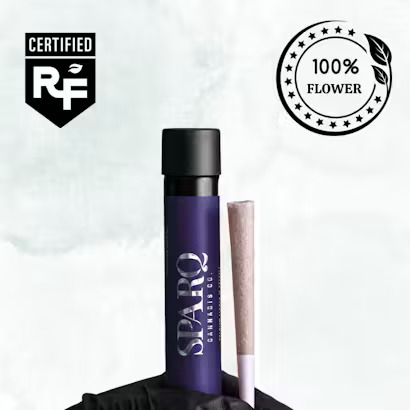
Before the program ceased operations in July 2025, a number of independent and organic producers, including Sparq Cannabis, Kind Folk Organics, Safetiva Labs, Aruna Sungrown, U4EA Farms, Twisted Growers, and Bonsai Buds, proudly displayed the “Certified Remediation Free” seal as a public commitment to transparency and clean cultivation.18 While the CRF program has ended, its influence lives on: these pioneering brands and their commitment to cannabis remediation-free standards continue to inspire transparency and consumer advocacy.
How to Navigate a Deceptive Market: Steering Clear of Remediation
The Regulatory Gaps and the COA Loophole
The ultimate barrier to avoiding remediated products has got to be the COA (Certificate of Analysis) loophole. Most consumers don’t know to ask for a lab sheet, but even if they do, a “clean” test is completely useless for spotting cannabis remediation. COAs only show the final, passing safety metrics, not the process used to achieve them. Some states, like Maryland, have recognized the risks and specifically prohibit remediation for mycotoxins and certain dangerous pathogens.19 But in most states, there’s still no requirement for labs to disclose if a product was chemically, radiologically, or otherwise remediated to achieve that “pass.”
When a batch crawling with mold is sanitized, re-tested, and presented with a “PASS” sticker, the document is blind to the process. Neither the public nor dispensary workers have any way to know what was done to the product. Even more troubling, recalls still occur for cannabis that passed initial testing, like the high-profile recall in New York earlier this year, which underscored how products can pass initial inspection yet still pose risks to consumers.
Even the most well-educated budtenders are left in the dark; there’s no legal requirement or practical system for them to know if a product has been remediated. COAs only tell you what’s left after the process, not what’s been done to get there. This is by design, not by accident.
This lack of transparency is not just an isolated problem. According to a comprehensive review by the National Academies of Sciences, Engineering, and Medicine, the extreme lack of standardization across state cannabis programs leaves consumers uninformed about hidden product changes and process risks.20
As a consumer, I’ve stood at the dispensary counter more than once, wondering if the flower in front of me had been through one of these ‘clean-up’ processes. The truth is, most of us have no way of knowing, and that’s exactly the problem. To bypass this lack of transparency, you must train your senses to spot “Frankenstein Flower,” and alter your shopping habits:
How to Spot Remediated Flower Using Your Senses
- Texture: Over-dry, flat, compressed, and utterly devoid of natural, sticky resin structure. When squeezed, the flower will easily crumble into a fine, bone-dry powder rather than bouncing back smoothly.
- Nose: Pure cannabis features a deeply layered, complex aroma. Re-terped flower hits your nose with an incredibly intense, singular, perfume-like top note (like a harsh blast of pine & lemon or artificial cherry) but completely lacks any earthy, skunky, or gassy background notes.
- Smoke Test: If the bud tastes intensely sweet on the first puff but immediately degrades into a harsh, bitter flavor that burns with a pitch-black, crusty ash, you are likely smoking irradiated flower masked with artificial additives.
Smart Shopping Strategies
- Pivot Away From “Value-Line” Budget Options: Shift your spending away from commercialized, low-priced options. Facilities that prioritize breakneck volume over individual room quality are statistically the most dependent on backend machine decontamination to push compromised product through to the consumer.
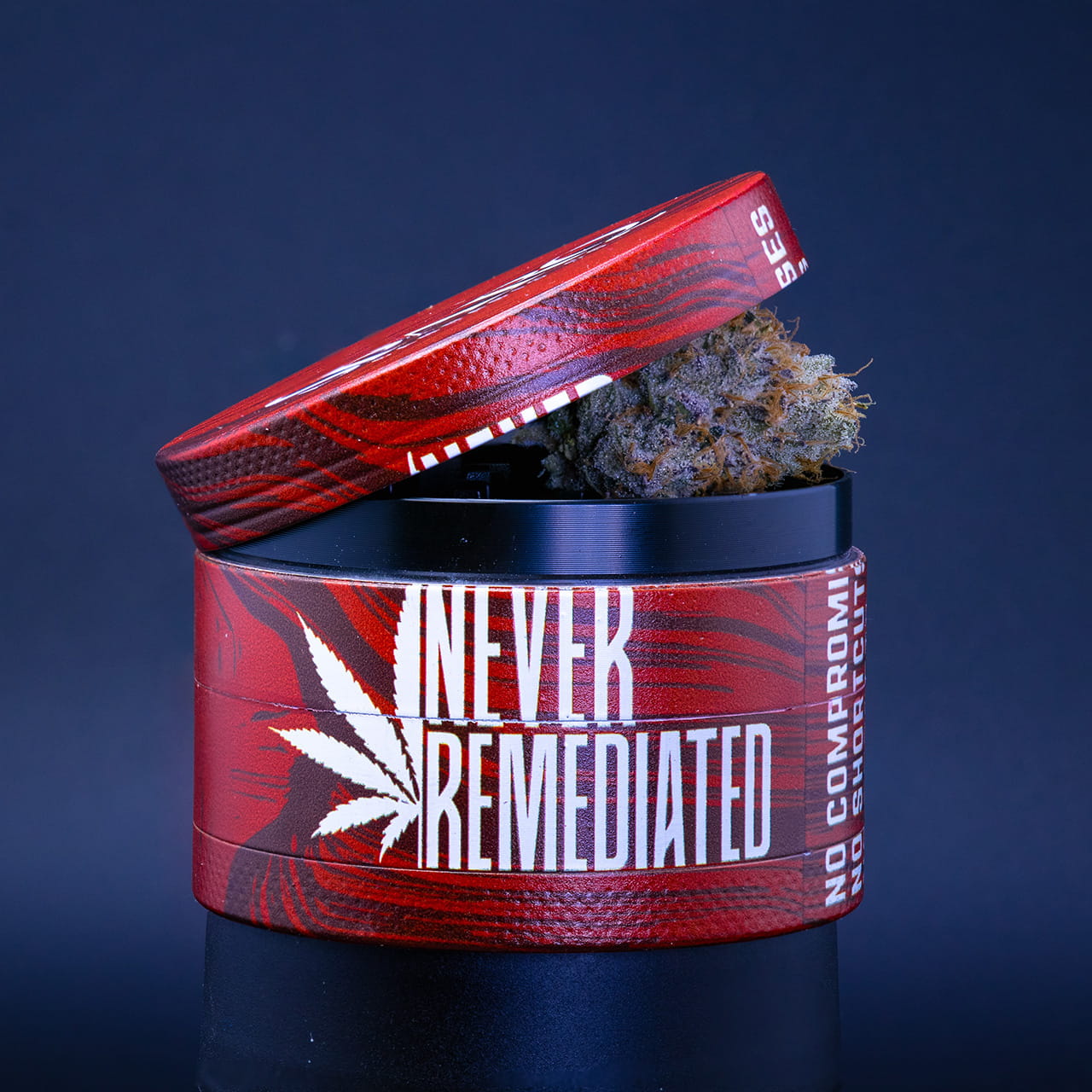
- Shop Brands with “Remediation-Free” Labels: Support independent craft operators who proudly use their labels to educate consumers. Seek out packaging featuring transparent, verified stamps such as “Certified RF,” “Remediation-Free,” “Never Irradiated,” or “Never Remediated.” Progressive, craft brands in pioneering markets have set an industry standard by publicly pledging a 100% cannabis remediation-free guarantee across their entire supply chain.
- Support Living Soil and Organic Growers: Small-batch farmers utilizing organic, living soil practices tend to respect the natural chemistry of the plant. They manage humidity, airflow, and integrated pest management proactively rather than trying to fix a dirty product with a machine. They have far more respect for the end consumer because their entire livelihood relies on the natural, unadulterated quality of the plant.
From Mold to Market: The Industry’s Open Secret
It’s no secret that some companies in the cannabis industry wear their remediation practices as a badge of honor. Take Willow, for example, they openly market their machines as the “best for rescuing failed batches,” even promising they, “will come in and decontaminate any failed batches, and you can submit clean samples for your retests.” There’s no attempt to dress it up: the goal is to clean the bad weed just enough to get a passing grade from the state lab on the second try.
This isn’t just clever marketing, it’s a glimpse into the industry mindset. The phrase “From mold to green gold,” reported by KTVL News, captures how some manufacturers view moldy, contaminated cannabis as salvageable. In Oregon, extractors have promoted “blasting” flower with chemicals or CO₂ to strip out mold and leave behind a marketable product.21 As one operator put it, “My CO₂ equipment strips out the mold.” The result? Products that once failed safety standards are recycled into the supply chain, with consumers left in the dark about what’s lost or what risks remain.

These are not isolated attitudes; they’re woven into the narrative of an industry tempted to cut corners for profit. Radsource uses the the motto “Never destroy another harvest” for their RS420 cannabis remediation machine. The message is clear: the priority is to salvage product, not necessarily to ensure safety or quality. It’s this backdrop that makes a firm stance on remediation not just relevant, but essential.
Beyond consumer risk, it’s important to recognize that cannabis remediation practices themselves often carry an environmental cost. Techniques like irradiation, ozone treatment, and chemical washes typically require significant energy, specialized machinery, and hazardous substances. Instead of investing in end-stage fixes, the industry would do better to focus on proactive, clean cultivation from the start, reducing both environmental impact and the need for remediation altogether.
A Principled Stance on Cannabis Remediation
While I am firmly against routine cannabis remediation, it is crucial to note that for medical patients with compromised immune systems in a commercially driven industry, remediation can be a necessary tool to ensure products are truly free from harmful microbes. As cannabis testing expert Kyle Boyar said on Dr. Kirk’s Bioactive podcast, “Unless it’s for a medical patient who is immunocompromised and needs that remediated product, there really shouldn’t be a reason to rely on these processes,” emphasizing that, even then, “it still needs to be grown with care,” underscoring the importance of maintaining a clean cultivation environment from the start.
In these rare cases, effective remediation helps protect vulnerable individuals who may be at greater risk from even low levels of contamination, when transparency and safety are prioritized. While the vast majority of consumers would benefit from better transparency and less reliance on cannabis remediation, it is important to acknowledge these rare but real scenarios where remediation is medically necessary. As documented by the CDC, immunocompromised patients have suffered serious fungal infections from contaminated cannabis, and for these individuals, clean cannabis can be truly lifesaving.22
Ultimately, I’m not just writing this as an advocate, but also as a consumer who wants to trust what’s in the jar. When transparency is missing, we all have to work harder to protect ourselves and the integrity of the plant. Cannabis should always be handled with care, from seed to harvest, through processing and packaging, all the way to dispensary shelves and into the hands of the consumer. If every step is done right, there should be no need for cannabis remediation techniques. The best results come from time, patience, and genuine respect for the plant.
Key Takeaways
- Cannabis remediation is widely used to “clean” failed or contaminated products so they can be legally sold, but often compromises quality, safety, and transparency.
- Techniques like irradiation, gas oxidation, and synthetic “re-terping” can significantly alter the natural properties of cannabis and mask underlying problems.
- Remediation does not guarantee safety: Harmful microbes, spores, and mycotoxins can survive, and some products still make it to market after remediation.
- Most states lack clear labeling or disclosure requirements: Consumers often have no way to know if their cannabis was remediated.
- Regulatory loopholes and inconsistent enforcement allow contaminated or remediated cannabis to reach store shelves, even after “passing” lab tests.
- Some states, like Maryland, prohibit remediation for the most dangerous contaminants (e.g., mycotoxins), but full transparency is uncommon.
- Remediation-free cannabis and independent certification are growing in demand, offering consumers safer, more transparent options.
- To protect yourself: Learn to spot remediated flower, support truly transparent brands, and demand clearer labeling and industry accountability.
- Ultimately, conscientious cultivation and handling, not post-harvest “fixing” or “cleaning”, is the foundation for safe, high-quality cannabis.
Footnotes
- Fungal and mycotoxin contaminants in cannabis
Frontiers in Microbiology, 2023
https://www.frontiersin.org/journals/microbiology/articles/10.3389/fmicb.2023.1278189/full - Food Irradiation—What You Need to Know
U.S. Food & Drug Administration
https://www.fda.gov/food/buy-store-serve-safe-food/food-irradiation-what-you-need-know - Measurement of Secondary Products During Oxidation Reactions of Terpenes and Ozone Based on the PTR-MS Analysis: Effects of Coexistent Carbonyl Compounds
International Journal of Environmental Research and Public Health, 2010
https://www.mdpi.com/1660-4601/7/11/3853 - Health Effects of Ozone Pollution
U.S. Environmental Protection Agency
https://www.epa.gov/ground-level-ozone-pollution/health-effects-ozone-pollution - Ethylene Oxide: Health Effects
Agency for Toxic Substances and Disease Registry (ATSDR), 2022
https://www.atsdr.cdc.gov/programs/ethylene-oxide.html - Overview: Irradiation of Food and Packaging
U.S. Food & Drug Administration
https://www.fda.gov/food/irradiation-food-packaging/overview-irradiation-food-and-packaging - Thermal Degradation of Cannabinoids: A Systematic Study
PMC, 2022
https://pmc.ncbi.nlm.nih.gov/articles/PMC9418372/ - Plasma Activation
Wikipedia
https://en.wikipedia.org/wiki/Plasma_activation - Detection of Mycotoxigenic Fungi and Residual Mycotoxins in Cannabis Buds Following Gamma Irradiation
Toxins (MDPI), 2023
https://www.mdpi.com/2072-6651/17/11/528 - Moldy cannabis is being treated with radiation in Maine
Portland Press Herald, 2026
https://www.pressherald.com/2026/04/27/moldy-cannabis-is-being-treated-with-radiation-in-maine-growers-dont-have-to-tell-you - Processing Supervisor Job Posting
Cresco Labs, LinkedIn
https://www.linkedin.com/jobs/view/processing-supervisor-at-cresco-labs-4452467089/ - Protocol for the Sampling and Analysis of Finished Marijuana Products
Massachusetts Cannabis Control Commission
https://masscannabiscontrol.com/public-documents/guidance-documents/ - FAQ | Administrative Order No. 5
Massachusetts Cannabis Control Commission, 2025
https://masscannabiscontrol.com/2025/06/faq-administrative-order-no-5/ - Maryland Cannabis Administration Recall 2024
Maryland Cannabis Administration, 2024
https://cannabis.maryland.gov/Documents/2025_PDF_Files/Bulletins/Recall%20Notification.pdf - Maine dispensary owner says state is not requiring labels for products that once had mold
WGME, 2026
https://wgme.com/news/marijuana-in-maine/maine-dispensary-owner-says-state-is-not-requiring-labels-for-products-that-once-had-mold-yeast-bacteria-microorganisms - Dr. Riley Kirk’s Official YouTube
https://www.youtube.com/@cannabichem - Bioactive Podcast (Dr. Riley Kirk)
Cannabis Industry Insights, 2026
https://www.bioactivepodcast.com/cannabis-industry-insights/ - Certified Remediation Free Program
https://www.instagram.com/certifiedremediationfree/ - Maryland Technical Authority for Cannabis Testing
Maryland Cannabis Administration, 2025
https://cannabis.maryland.gov/Documents/2024_PDF_Files/MCA%20Technical%20Authority%20Rev%206%20eff%20February%202024.pdf - The Health Effects of Cannabis and Cannabinoids: The Current State of Evidence and Recommendations for Research
National Academies of Sciences, Engineering, and Medicine, 2017
https://www.ncbi.nlm.nih.gov/books/NBK423845/ - Blasting Mold to Green Gold
KTVL News, 2019
https://ktvl.com/news/local/from-mold-to-green-gold - Cannabis Use, Fungal Infections, and Other Infectious Complications
CDC, 2020
https://wwwnc.cdc.gov/eid/article/26/6/19-1570_article